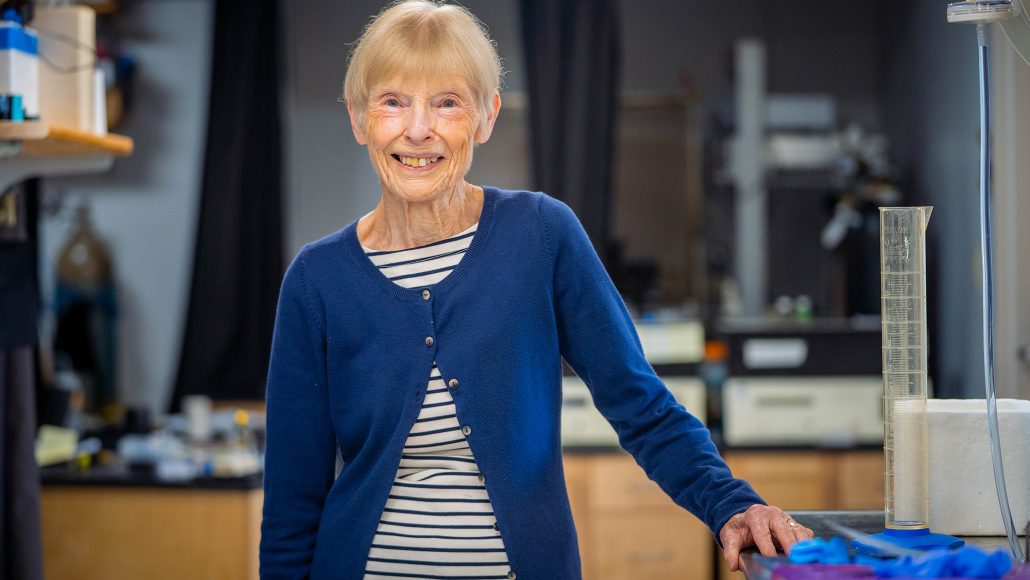
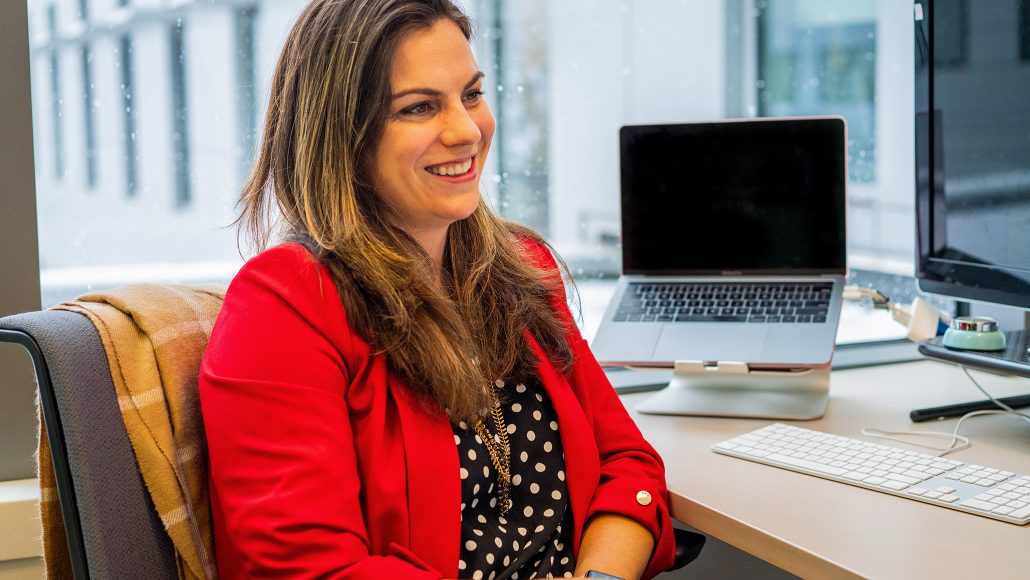
At Dartmouth, Amber Barnato has reconnected with her clinical roots and now heads the same institute that helped inspire her career in research.
More News
Dean's Letter
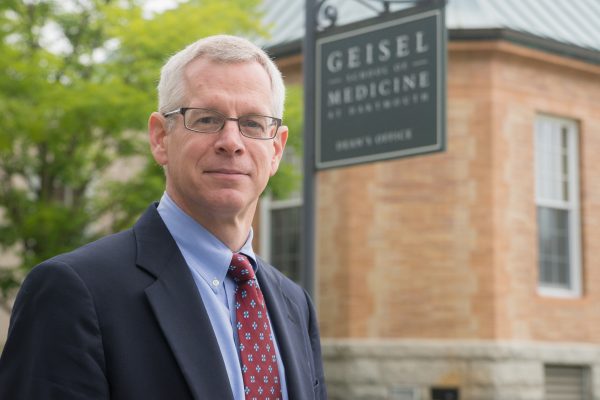
A Letter from the Dean
Remarks from Dean Duane Compton, PhD about what to expect in this issue of Dartmouth Medicine and updates on the school.
Headlines
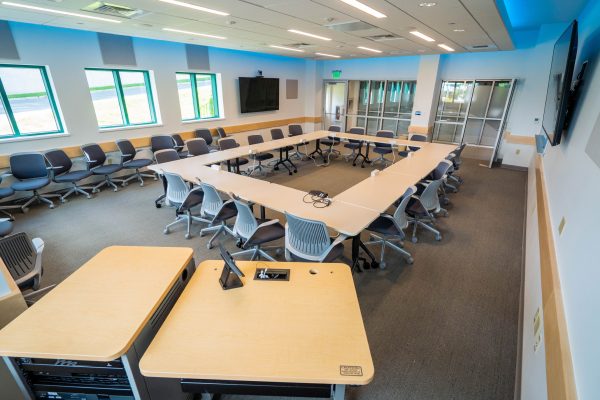
Touring Geisel’s Renovations
A look at Geisel’s recently updated teaching and student spaces.
Headlines
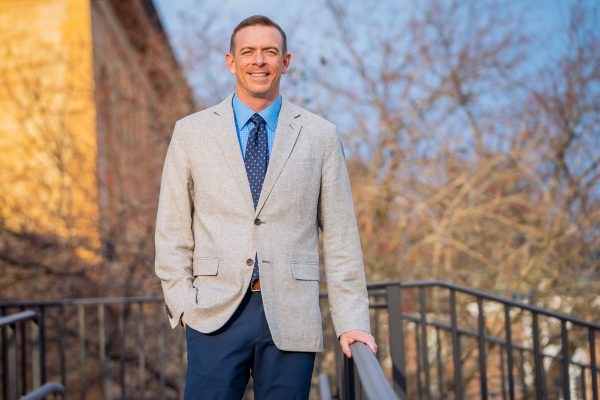
William “Nick” Ryan Named Chief of Staff for Geisel Dean’s Office
William “Nick” Ryan has been named the new Chief of Staff for the Dean’s Office and began his role in early 2022.
Headlines
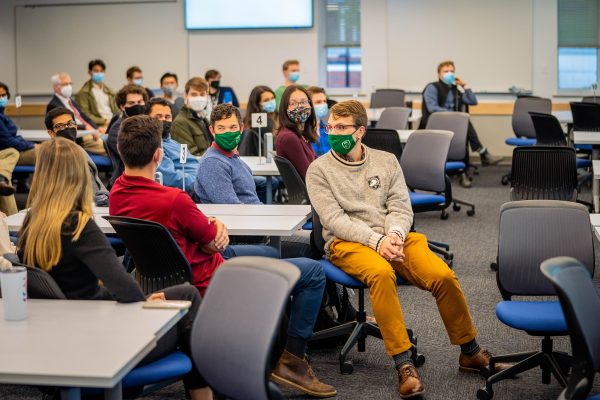
Mentor Match
Nineteen Science Scholars met their match in an October 18 ceremony designed to formally introduce them to each other and to their mentors.
Headlines
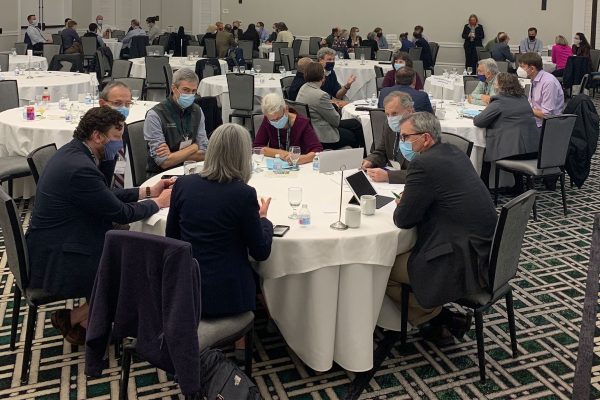
Geisel Kicks Off Strategic Planning Process
On October 12, faculty, staff, students, and alumni from across the Geisel School of Medicine as well as other key stakeholders gathered for a half-day retreat to kick off the school’s 2021 Strategic Planning Process, which is expected to run through February 2022.
Headlines
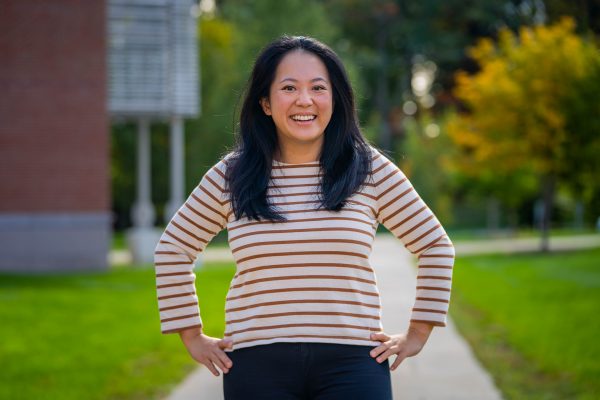
Improving Health and Healthcare of Asian Americans
Working as a quality improvement analyst in a community-based clinic in San Francisco’s Chinatown, after receiving a master’s degree in global health, Geisel medical student Ashley Yang ’24 came face-to-face with the healthcare needs of the city’s deeply rooted Asian-American population.
Headlines
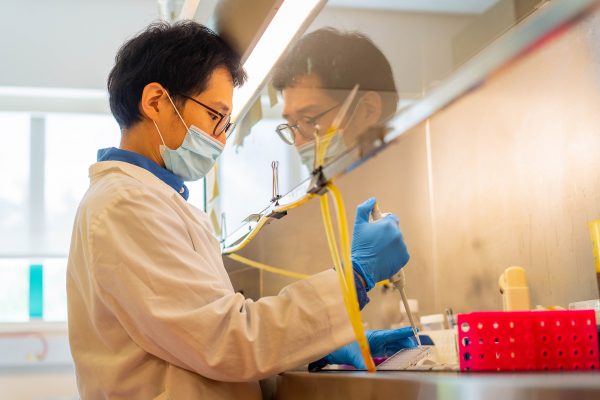
Research Notes | Winter 2022
Recent research notes, studies, and findings from multiple departments.